
Estimating Land Clearing Costs in Texas: A Practical Guide to Land Clearing Cost Estimation

Clearing land in Texas is a critical step for many projects, whether for building, farming, or ranching. Understanding the costs involved helps you plan your budget and avoid surprises. Land clearing cost estimation is straightforward when you know the key factors that influence pricing. I will walk you through the essential details to help you estimate land clearing costs accurately in Texas.
Understanding Land Clearing Cost Estimation in Texas
Land clearing cost estimation depends on several factors. These include the size of the land, the type of vegetation, terrain, and the equipment needed. In Texas, land varies widely from flat plains to hilly or wooded areas. Each type requires different clearing methods and tools, which affect the cost.
Here are the main elements that influence land clearing costs:
Land size: Larger areas require more time and resources.
Vegetation type: Clearing grass is cheaper than removing dense trees or brush.
Terrain: Rocky or uneven land increases difficulty and cost.
Disposal of debris: Removing or grinding stumps and brush adds to expenses.
Permits and regulations: Some areas require permits that can add fees.
Knowing these factors helps you get a realistic land clearing estimate in Texas. For example, clearing a flat pasture is less expensive than clearing a wooded hillside.
What is a normal price for clearing 1 acre in Texas?
The cost to clear 1 acre in Texas varies widely but generally falls between $1,000 and $4,000. This range depends on the complexity of the job. Here’s a breakdown:
Grass or light brush clearing: $1,000 to $1,500 per acre.
Moderate brush and small trees: $1,500 to $2,500 per acre.
Heavy brush and large trees: $2,500 to $4,000 per acre.
For example, clearing a pasture with mostly grass and small shrubs might cost around $1,200 per acre. On the other hand, clearing a heavily wooded acre with large trees and stumps could reach $3,500 or more.
Additional costs may include stump removal, grading, and hauling debris. These services can add several hundred dollars per acre.
Key Factors That Affect Your Land Clearing Estimate
To get a precise land clearing estimate, consider these factors carefully:
Vegetation Density and Type
Dense brush and large trees require more labor and equipment. Clearing thick cedar or mesquite trees costs more than clearing open grassland. The type of vegetation also affects the disposal method. For example, large trees may need to be cut into logs or chipped.
Terrain and Accessibility
Flat land is easier and faster to clear. Steep slopes or rocky ground slow down work and increase equipment wear. Accessibility matters too. If the site is hard to reach, moving machinery and hauling debris becomes more expensive.
Equipment and Labor
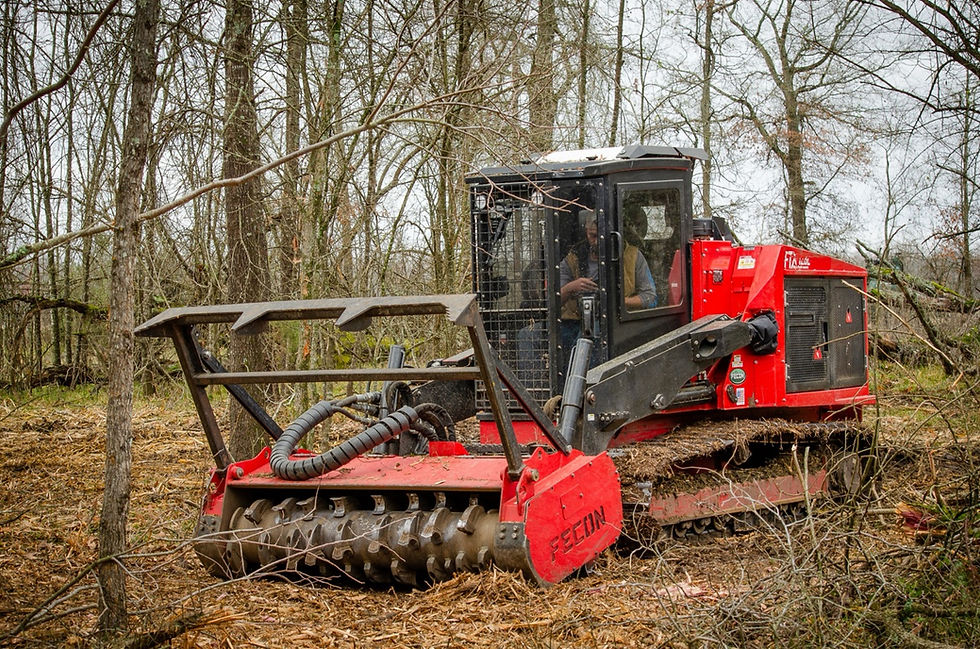
Different equipment suits different jobs. Bulldozers, excavators, and mulchers are common. The size and power of the equipment affect the price. Skilled operators are essential for safe and efficient clearing, and labor costs vary by region.
Permits and Environmental Regulations
Some Texas counties require permits for land clearing, especially near water bodies or protected areas. These permits can add fees and require specific clearing methods to protect the environment.
Debris Removal and Land Grading
Removing stumps, roots, and brush piles adds to the cost. Grinding stumps is more expensive than leaving them. Grading the land after clearing ensures proper drainage and prepares the site for construction or planting.
How to Get an Accurate Land Clearing Estimate in Texas
Getting a reliable estimate requires a clear plan and detailed information. Here’s how to approach it:
Assess your land: Walk the property and note vegetation types, terrain, and obstacles.
Define your goals: Decide if you want complete clearing, selective clearing, or just brush removal.
Request multiple quotes: Contact several land clearing companies and provide detailed information.
Ask about included services: Confirm if quotes include debris removal, stump grinding, and grading.
Check for permits: Verify if permits are needed and who handles the application.
Review equipment and methods: Ensure the company uses appropriate machinery for your land type.
By following these steps, you can compare offers and choose the best value for your project.
Tips to Save Money on Land Clearing in Texas
Land clearing can be costly, but there are ways to reduce expenses without sacrificing quality:
Clear only what you need: Avoid clearing more land than necessary.
Do some work yourself: Remove small brush or debris before hiring professionals.
Schedule during off-peak seasons: Prices may be lower in winter or early spring.
Bundle services: Combine clearing with grading or debris removal for discounts.
Choose eco-friendly methods: Mulching and grinding reduce hauling costs and improve soil health.
These tips help you manage your budget while achieving effective land clearing.
Final Thoughts on Land Clearing Cost Estimation in Texas
Estimating land clearing costs in Texas is manageable when you understand the key factors. Size, vegetation, terrain, and services all influence the price. By gathering detailed information and comparing quotes, you can secure a fair and accurate land clearing estimate.
If you want a reliable land clearing estimate texas, start by assessing your land and defining your needs. Then, reach out to trusted professionals who can provide transparent pricing and quality service.
Proper land clearing sets the foundation for your project’s success. With the right approach, you can maximize your property’s value and usability efficiently and affordably.


Comments